Introduction
Education plays a vital role in shaping a person’s knowledge, confidence, skills, and future opportunities. In today’s rapidly changing world, students need more than textbooks and classroom lectures to achieve their academic goals. They also need effective study habits, critical thinking abilities, digital literacy, and the confidence to explore new ideas independently.
Modern education is evolving as technology, online learning platforms, and innovative teaching methods become increasingly accessible. Students can now use digital resources to understand difficult concepts, practice important skills, and explore subjects beyond their regular curriculum. However, achieving meaningful learning outcomes still requires consistency, curiosity, and the right learning strategies.
MindInSchool com is a keyword associated with MindInSchool.com, an education-focused website. People searching for this phrase may want to find the website and explore educational resources, learning tips, study strategies, or information that supports students and their academic development.
Whether you are a student preparing for examinations, a parent supporting your child’s education, or a teacher looking for better ways to encourage learning, understanding effective educational practices can make a significant difference. In this guide, we will explore practical study techniques, the importance of digital education, time management, critical thinking, and other strategies that can help learners develop stronger academic foundations.
What Is MindInSchool Com?
MindInSchool com is a search phrase people may use when looking for MindInSchool.com online. The website’s stated focus is education, learning resources, study strategies, student guidance, teaching insights, and academic trends.
Educational websites can help students and lifelong learners discover information, explore unfamiliar subjects, and find practical ideas for improving their learning routines. They can also provide parents and educators with perspectives on student development, classroom learning, and academic preparation.
The usefulness of an education website depends on the quality and relevance of its published material. Readers benefit from clear explanations, practical examples, accurate information, and advice that reflects different learning needs.
For students, educational resources can complement classroom instruction and provide additional opportunities to review concepts. For parents and teachers, they can offer ideas for encouraging curiosity, building positive habits, and supporting students through academic challenges.
Why Education Is Important for Personal and Professional Growth

Education is not limited to passing examinations or earning certificates. It helps people understand the world, communicate effectively, solve problems, and make informed decisions.
A strong educational foundation can also prepare students to adapt to changing career opportunities and develop the confidence needed to pursue their interests.
1. Developing Knowledge and Understanding
Education introduces learners to subjects such as mathematics, science, languages, history, technology, and social studies. Each subject helps develop a different set of abilities and perspectives.
For example, mathematics encourages logical reasoning, while language learning strengthens communication and comprehension. Science promotes observation, experimentation, and evidence-based thinking.
When students understand the concepts behind what they study, they are better prepared to apply their knowledge to unfamiliar questions and real-world situations.
2. Building Confidence and Independence
Learning new skills helps students recognize their abilities and identify areas where they need improvement. Over time, this can encourage independence and a greater willingness to tackle challenging tasks.
Students can strengthen this confidence by setting achievable goals, asking questions, reviewing mistakes, and recognizing gradual progress.
Rather than expecting immediate perfection, learners should understand that improvement usually comes through practice, feedback, and patience.
3. Preparing for Future Opportunities
Education can help students explore different career paths and identify the knowledge and skills required for their interests.
Alongside academic subjects, skills such as communication, collaboration, problem-solving, digital literacy, and adaptability are increasingly valuable across many professional fields.
Students who develop these abilities early can make more informed decisions about further education, vocational training, and career development.
Effective Study Habits Every Student Should Develop
Good study habits make learning more organized and manageable. Although different students may prefer different approaches, several evidence-informed techniques can help learners retain information and understand challenging subjects.
Create a Realistic Study Schedule
A study schedule helps students decide what to study, when to study, and how much time to allocate to different subjects.
Begin by listing upcoming examinations, assignments, projects, and revision requirements. Then divide larger tasks into smaller activities that can be completed within a reasonable period.
For example, instead of planning to study an entire science chapter in one session, a student could review one concept, answer practice questions, and summarize the main points.
A realistic timetable should also include breaks, sleep, meals, and leisure activities. A balanced routine is easier to maintain than a demanding schedule that leaves no room for rest.
Use Active Recall to Strengthen Memory
Active recall involves retrieving information from memory instead of simply rereading notes.
After studying a topic, close the textbook and try to explain the main ideas in your own words. You can also use flashcards, short quizzes, or practice questions to test your understanding.
This approach helps reveal which concepts you remember confidently and which ones require additional review.
For example, after learning a history chapter, a student might write down the important events and explain their causes without looking at the notes.
Practice Spaced Revision
Spaced revision involves reviewing information across multiple sessions rather than attempting to memorize everything at once.
A student might review a topic on the day it is learned, revisit it several days later, and practice it again the following week. The exact schedule can vary depending on the difficulty of the material and the time available.
Combining spaced revision with active recall can make study sessions more purposeful and help learners identify gaps in their knowledge before examinations.
Minimize Distractions
Concentration becomes more difficult when students frequently switch between studying, messaging, social media, and entertainment.
Creating a dedicated study space can help establish a consistent routine. Keeping unnecessary devices away, silencing notifications, and preparing study materials in advance can also reduce interruptions.
Some students benefit from working in focused intervals followed by short breaks. Others prefer longer sessions. Experimenting with different methods can help learners identify a routine that suits their needs.
The Role of Technology in Modern Education
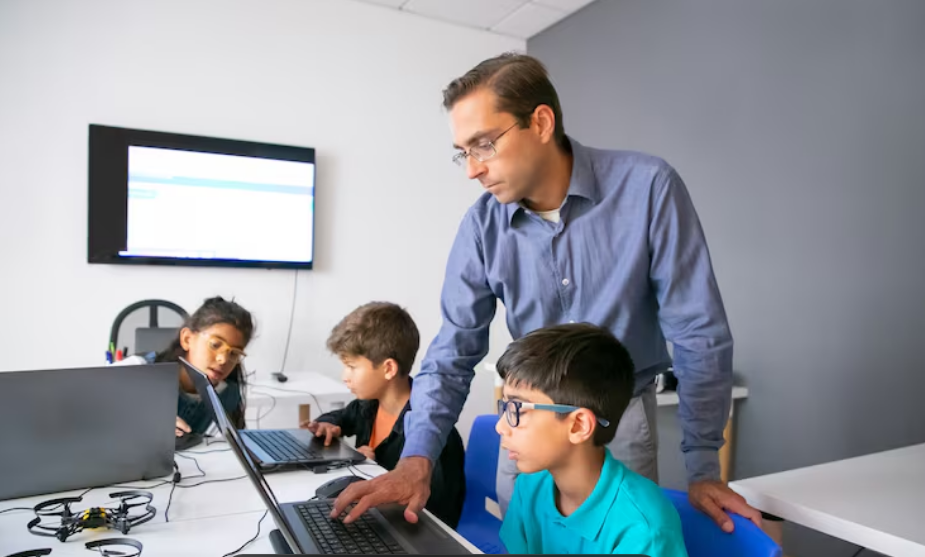
Technology has expanded access to educational resources and created new ways to explain complex ideas. Students can use online lessons, digital libraries, educational videos, interactive exercises, and virtual learning environments to supplement classroom teaching.
However, technology is most effective when it supports clear learning objectives rather than becoming a source of distraction.
Access to Online Learning Resources
Online resources allow students to revisit lessons, explore additional examples, and learn at a pace that suits them.
For example, a student struggling with a mathematical concept can review an explanatory video and then solve practice problems independently. A language learner can use digital exercises to develop vocabulary and improve comprehension.
Students should select resources that match their academic level and curriculum. Important facts should be checked against textbooks, teachers’ guidance, or credible educational sources.
Using Artificial Intelligence Responsibly
Artificial intelligence tools can help explain concepts, generate practice questions, organize revision plans, and provide alternative explanations of difficult material.
Nevertheless, AI-generated information can contain errors or incomplete explanations. Students should verify important claims and avoid submitting generated work as their own when academic rules prohibit it.
The best use of these tools is to support understanding. For instance, a student can ask for a step-by-step explanation, attempt a similar problem independently, and then check the reasoning.
This approach encourages active learning rather than dependence on ready-made answers.
Maintaining Digital Safety and Balance
Students should protect personal information, use trusted educational websites, and be careful when sharing details online.
Parents and teachers can help younger learners understand privacy, responsible communication, and appropriate screen-time habits.
Digital tools should complement offline activities such as reading printed materials, writing notes, participating in discussions, playing sports, and spending time with family.
A balanced approach allows students to benefit from technology while maintaining healthy routines.
How Teachers and Parents Can Support Student Success
Students often make better progress when they receive encouragement, constructive feedback, and opportunities to discuss difficulties openly.
Parents and teachers play different but complementary roles in creating an environment where learning feels purposeful and achievable.
Encourage Curiosity Instead of Memorization Alone
Memorization has a place in education, but students also need to understand why ideas work and how concepts connect.
Teachers can encourage curiosity by asking open-ended questions, using practical examples, and inviting students to explain their reasoning.
Parents can support this process by discussing everyday questions, encouraging reading, and showing interest in what children learn at school.
When students feel comfortable asking questions, they are more likely to investigate unfamiliar topics and develop independent thinking skills.
Provide Constructive Feedback
Useful feedback identifies what a student has done well and explains how to improve specific areas.
Instead of saying that an answer is simply wrong, an educator can explain which step needs correction and provide an opportunity to try again.
Parents can also focus on effort, persistence, preparation, and progress rather than comparing children with classmates or siblings.
This approach helps students understand that mistakes are part of the learning process and that improvement is possible with appropriate support.
Recognize Individual Learning Needs
Every student has different strengths, interests, learning experiences, and challenges. Some may understand concepts quickly through diagrams, while others benefit from discussion, practical demonstrations, or written examples.
Using a variety of teaching methods can make lessons more accessible to different learners.
When a student continues to struggle, teachers and parents should investigate the underlying difficulty instead of assuming a lack of effort. Additional explanation, structured practice, or appropriate educational support may help.
Time Management and Exam Preparation

Effective examination preparation begins well before the final days of a term. A clear plan reduces last-minute pressure and gives students more opportunities to identify weaknesses.
First, review the syllabus and divide it into manageable topics. Mark difficult areas that need additional attention and allocate time according to their importance.
Second, use practice questions and previous examination papers where appropriate. These can help students become familiar with question formats, develop time-management skills, and recognize recurring concepts.
Third, analyze mistakes after every practice session. Understanding why an answer was incorrect is more useful than simply checking the final score.
Finally, maintain a consistent sleep schedule and take appropriate breaks during revision. Exhaustion can make concentration and recall more difficult, so studying for longer is not always the same as studying effectively.
Students should also avoid comparing their progress constantly with others. A realistic plan based on individual needs is generally more useful than following someone else’s timetable without adjustment.
Developing Critical Thinking and Problem-Solving Skills
Education should help students evaluate information, recognize patterns, and make reasoned decisions.
Critical thinking involves examining evidence, questioning assumptions, comparing explanations, and considering alternative viewpoints before reaching a conclusion.
For example, when researching a topic online, students can compare multiple credible sources, check publication dates, and distinguish verified information from opinion.
Problem-solving skills develop when learners break complex tasks into smaller steps, identify relevant information, test possible solutions, and evaluate the results.
Group projects, science experiments, reading discussions, puzzles, and practical assignments can provide opportunities to practice these abilities.
These skills are valuable beyond the classroom because everyday life frequently requires people to interpret information, resolve problems, and make decisions under uncertainty.
Frequently Asked Questions About MindInSchool Com
1. What is MindInSchool com?
MindInSchool com is the search phrase associated with MindInSchool.com, an education-focused website. Its stated topics include educational resources, learning tips, study strategies, student guidance, and teaching insights.
2. How can students improve their study habits?
Students can develop better study habits by creating realistic schedules, practicing active recall, revisiting information over time, reducing distractions, and reviewing mistakes. Consistency and a manageable routine are important.
3. Are online educational resources useful for students?
Yes. Online lessons, digital libraries, practice exercises, and educational videos can supplement classroom learning. Students should choose reliable resources and verify important information.
4. How can parents help children succeed academically?
Parents can provide a supportive study environment, encourage curiosity, discuss schoolwork, recognize progress, and communicate with teachers when additional help is needed.
5. Why are critical thinking skills important in education?
Critical thinking helps students evaluate evidence, identify assumptions, compare ideas, and solve problems logically. These abilities support academic learning and informed decision-making in everyday life.
Conclusion
Education is a continuous journey that develops knowledge, confidence, creativity, and practical skills. Students can strengthen their academic performance by adopting effective study techniques, managing their time carefully, using technology responsibly, and developing the ability to think independently.
For readers searching for MindInSchool com, exploring MindInSchool.com can be a starting point for discovering its educational content and learning-related resources. More broadly, educational websites can complement classroom instruction by making useful information accessible and encouraging learners to explore subjects in greater depth.
Teachers, parents, and students all contribute to meaningful educational progress. By encouraging curiosity, supporting individual learning needs, and focusing on understanding rather than memorization alone, they can help create stronger learning experiences.
The most valuable approach to education is one that combines consistent effort, reliable resources, practical application, and a willingness to keep learning. With the right habits and support, students can build a foundation that serves them throughout their academic journey and beyond.